Our Approach: Charlotte Mason for the Early Years
Charlotte Mason, a British educator working over a century ago, believed something radical for her time — and still radical for ours: children are born persons, not blank slates to be filled or vessels to be trained. Her educational philosophy rests on a few core convictions that shape everything we do:
Children learn best through living ideas, not dry facts. We use real, well-written “living books” and real experiences instead of workbooks and flashcards.
Habits matter more than lessons. Attention, kindness, order, and perseverance are formed in the small moments of a normal day — not taught in a single lesson.
Nature is a primary teacher. Time outdoors isn’t a break from learning; it is learning — observation, wonder, physical skill, and a sense of belonging in the created world.
Short, focused lessons respect a child’s attention span. We don’t drill a 4-year-old for 30 minutes on a worksheet. We engage them fully for a few rich minutes, then let them move.
Atmosphere, discipline, and life — Mason’s own summary of education — happen far more through the environment we create and the rhythms we keep than through direct instruction.
Why Play Is the Work of Childhood
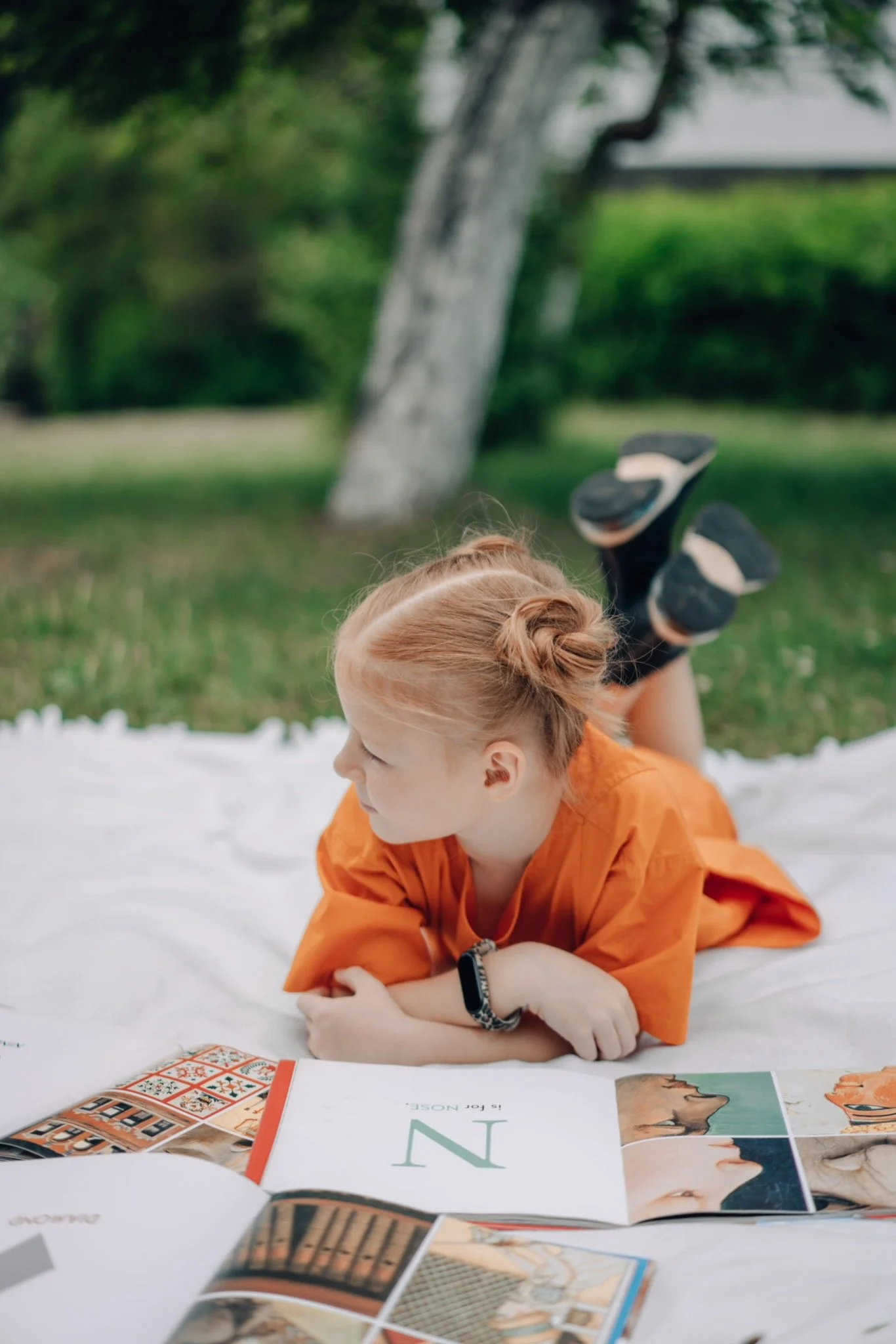
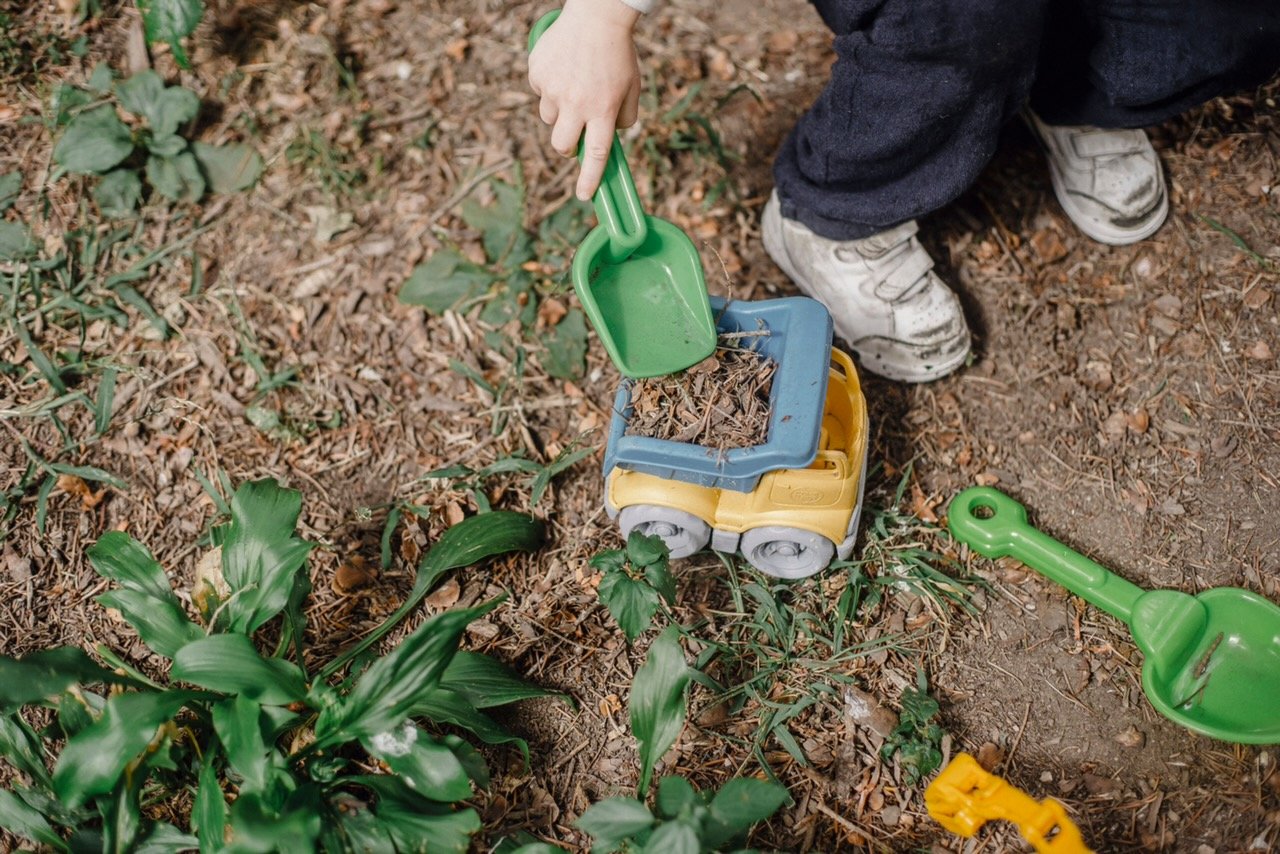
Play isn’t what happens before the real learning starts — for a 3, 4, or 5-year-old, play is the real learning.
When a child builds a fort, negotiates roles in pretend play, balances on a log, or stirs “soup” out of mud and leaves, they are developing:
Executive function and self-regulation — through unstructured, child-led play far more than through adult-directed activities
Language and social skills — through negotiation, storytelling, and cooperative pretend play
Physical development and body confidence — through climbing, running, balancing, and risk-taking in nature
Problem-solving and creativity — through open-ended materials rather than single-purpose toys or worksheets with one right answer
Outdoor time gets special priority in our days. Weather is rarely a reason to stay in, we dress for it and go out. Fresh air, movement, changing seasons, and unstructured outdoor exploration support attention, mood regulation, immune health, and a lifelong love of the natural world. Children in our program will have muddy shoes and grass-stained knees most days, and that’s exactly how we want it.
How We Grow Literacy & Math — Without Letter of the Week or Worksheets
We don’t do letter-of-the-week units, worksheets, or flashcard math. Instead, early academic skills are woven into the fabric of an ordinary, rich day:
Literacy grows through:
Being read to — a lot — from excellent, real picture books and story books
Rich conversation and vocabulary during play, meals, and outdoor exploration
Nursery rhymes, poetry, songs, and oral storytelling
Narration — simply asking a child to “tell me about” what happened in a story, which builds comprehension and sequencing long before formal reading instruction
Exposure to letters and print in context — a child’s name, a sign on a nature walk, a label on a jar — not isolated from meaning
Math grows through:
Counting real things: acorns, snack crackers, steps on a walk
Sorting, patterning, and comparing sizes during play
Cooking and baking (measuring, fractions, sequencing)
Building and construction play (spatial reasoning, symmetry, balance)
Natural number sense from daily rhythms — calendar, weather, “how many are we today?”
Children this age are wired to absorb language and quantity concepts through meaningful repetition and real context — not isolated drills. By the time they’re ready for formal instruction, they arrive with genuine understanding, curiosity, and confidence instead of worksheet fatigue.
Ready to Plant Your Roots?
Pop your details in the form and let’s make learning fun together!